With you in life and beyond...
Dial *347*01# and make premium payment simple with a no-hassle contactless insurance flow.
For over 20 years, we have helped families prepare for what comes next with life assurance that feels human and dependable.
Savings and investment plans designed to help you secure a better future for yourself and your loved ones.
With a reliable treaty in place with African Reinsurance Corporation, our strength lies in tailor-made financial services.
Renew premiums, track service requests, and stay connected to your assurance tools from anywhere.
Build financial confidence with products designed around future goals, family stability, and long-term value.



Since 2000
Capital Express Life Assurance Limited is one of the fastest growing life assurance companies in Nigeria. With a reliable treaty in place with African Reinsurance Corporation, our strength resides in designed tailor-made financial services.
About Us →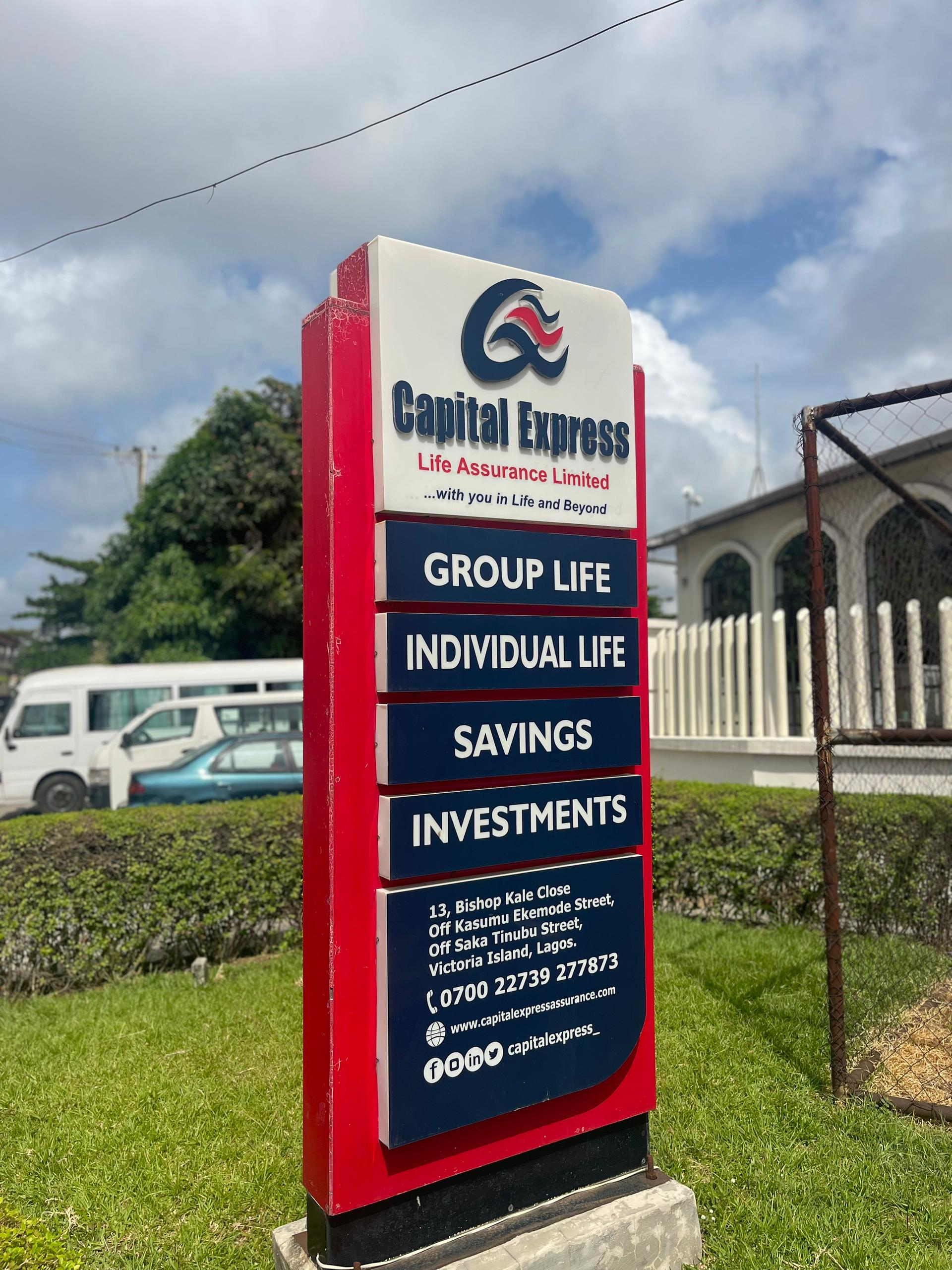


Smart Picks

A secured plan designed for parents and guardians to achieve guaranteed educational milestones for their children and wards.
Learn More →
An investment arrangement through which funds are accumulated for targeted future events while enjoying the benefits of life assurance.
Learn More →
A group protection option for employers and institutions seeking dependable cover for staff and broader business continuity.
Learn More →
Articles To Empower You
Join over 100,000 Nigerian families and businesses who trust Capital Express with their protection, education, and wealth.
Start Your Journey →
Why Us
The pillars behind two decades of dependable coverage for Nigerian families and businesses, presented in a cleaner and more human way.
When it matters most, Capital Express is positioned around responsive service and claims support.
Authorized and regulated by the National Insurance Commission under RIC No. 006.
Manage policy, renew premium, use USSD, download the app, or reach CLARA through digital channels.
A reliable treaty with African Reinsurance Corporation strengthens confidence in the protection promise.
Mobile Access
Access your Capital Express tools on the go, follow policy activity, and keep essential assurance services within reach from your phone.